According to an Associated Press article, an Alabama man was tracked down and fined $1,500 for posting a social media video of himself harassing an endangered monk seal and a protected sea turtle while on vacation in 2018 on Kauai. Although the population seems to be slowly increasing, humans are still the biggest threat to these animals.
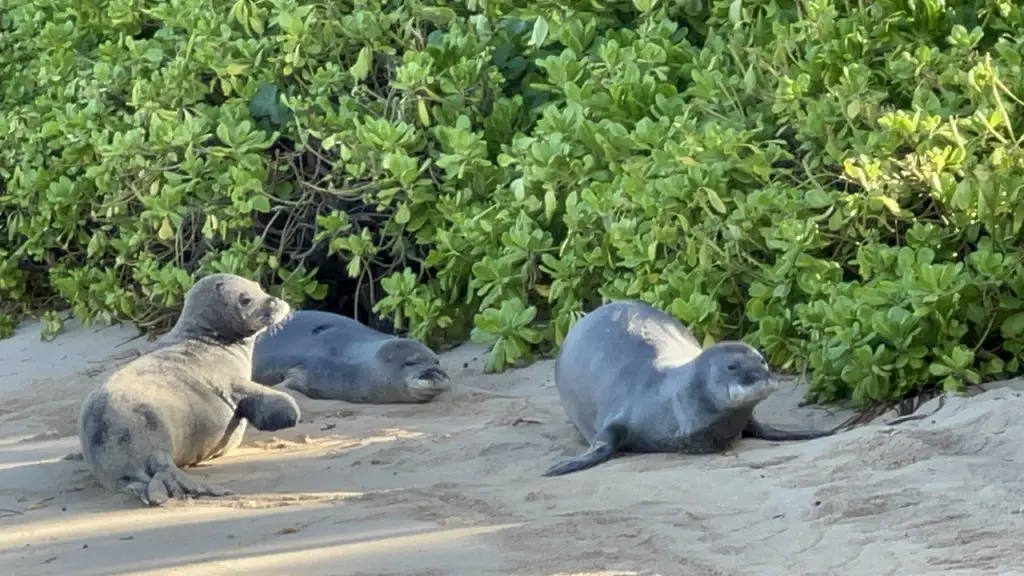
The Hawaiian Monk Seal is one of the most endangered seal species in the world. They are native to the Hawaiian islands and aren’t found anywhere else in the world. It makes sense that they’re protected under the federal Endangered Species Act.
The Hawaiian name for monk seal is “ilio-holo-i-ka-uaua,” which means dog running in rough water. I don’t think Elvis (our dog) looks anything like the monk seals in the water, but the one thing they definitely have in common is how they look scuffling with others.


Elvis and his close canine friends like Calvin and Jasper love to use their bodies to push each other around and bite or mouth the other. This is part of their friendly “I love you so much I want to eat your face” play. I am NOT referring to dogs fighting, stranger interactions, or fearful behaviors. This is play Elvis only does with his closest friends when they are both happy and being closely watched for signs of changing feelings.
The reasons why monk seals scuffle with each other is sometimes different than why Elvis and his friends play with one another. Monk seals generally face off to establish dominance and as part of their mating rituals, but for the sake of enjoyment, watch these videos and you’ll see how similar they look.
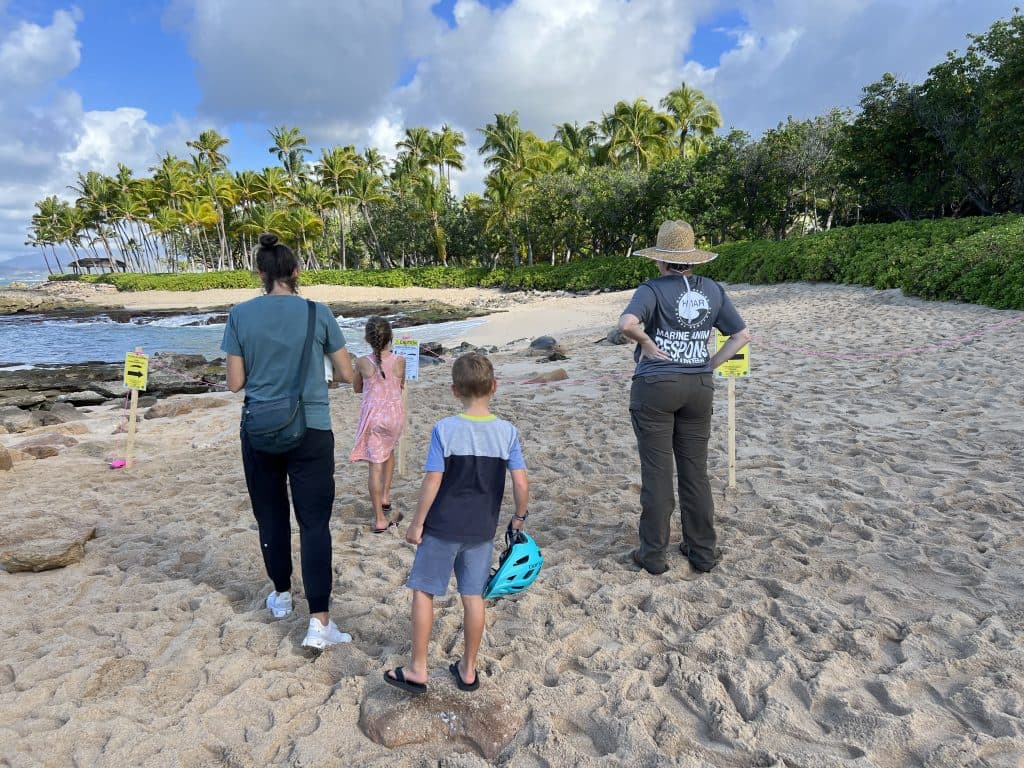
When on vacation in Ko Olina on Oahu, I usually start my days by walking to the Secret Beach to look for the monk seals. See my other post about Secret Beach and how to get there! At Secret Beach, when the seals are present, National Oceanic and Atmospheric Administration (NOAA) interns show up to keep the public a safe distance away from the monks and do community outreach. I’ve learned several things from those interns. One of the questions I always hear being asked is about how big they are, and I assume you’re curious too! According to the National Oceanic and Atmospheric Administration (NOAA), these monk seals weigh between 400-600 pounds and are 6-7 feet long.
I have also learned that Hawaiian Monk Seals are generally not aggressive, but they certainly could be if provoked or feel threatened. Nursing mother seals are especially protective of their pups. As a mom, I can relate! Interestingly, most monk moms return to the beach where they were born to deliver their own pups. The volunteers are always great about sharing cool knowledge like that. It is especially sweet to see little kiddos sit in the sand, watch the monks, and ask the volunteers questions. What do they eat? Where do they sleep? How do they breathe? Just today, I overheard a mom and daughter discussing the weight of monks and calculating how much they eat if they eat 3-8% of their body weight per day. Goes along with what I’ve always said, even when I was still teaching: kids learn from life experiences while traveling!!! Skip a little school, travel a lot more… ok, that’s a different topic for a different time.
Several years ago on Oahu, I fell in love with a monk seal named Pohaku. Pohaku is officially known as RO28. NOAA gives all seals alphanumeric identifiers, which is their permanent ID. Pohaku was born on Kauai in 2006. She has a remarkably sad story with both her mom (RK06), her daughter Nanea (RL44), and herself having tragic deaths
RK06, Pohaku’s mom, was shot and killed on May 21, 2009, on the north shore of Kauai. She was due to give birth in one month. According to an article by Derrick DePledge published to the Star Advisor Hawaii News, a 78 year old man said he wanted to scare the monk seal off the beach so that he could go fishing. He shot her four times at close range with a high-powered rifle. Neither RK06 nor her pup survived. The man eventually pleaded guilty and was sentenced to 90 days in the federal detention center in Honolulu and fined.
Pohaku delivered her 7th pup, Nanea, on Oahu in 2019.
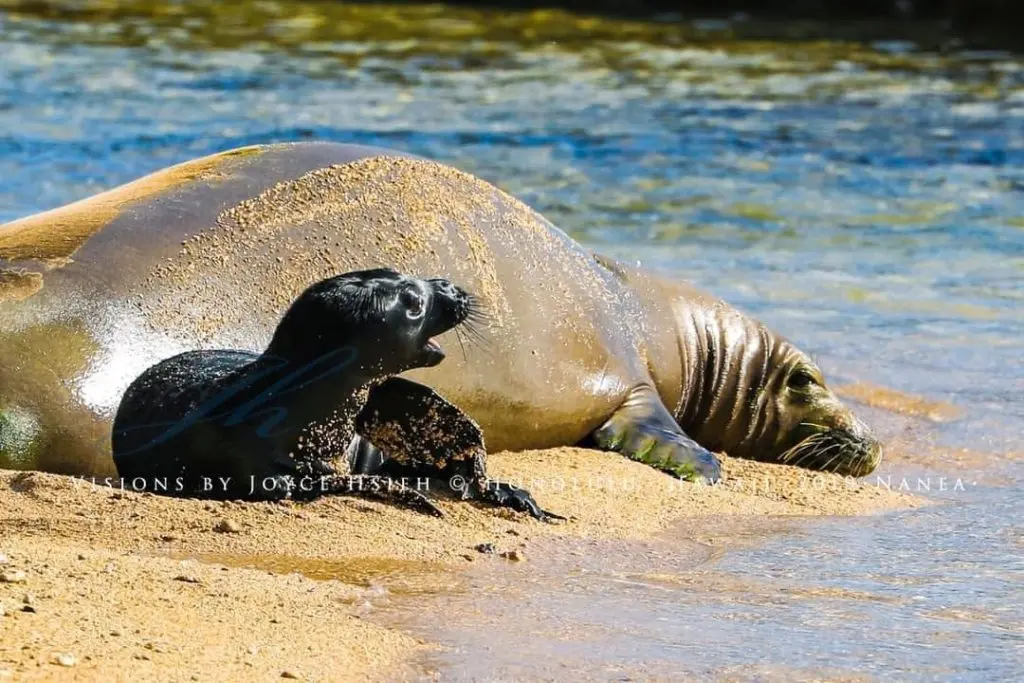
Her previous six pups were all delivered on Kauai where she herself was born. It was very unusual for Pohaku to not make the journey back to Kauai. Instead, Nanea was born at Paradise Cove, the beach just north of Secret Beach. Nanea lived 28 days before she was found dead on the North Shore of Oahu. Her death was classified as “not natural causes.”
Pohaku’s own death came after ten weeks of treatment by NOAA to try to cure her from Toxoplasmosis. The National Oceanic and Atmospheric Administration reports that Toxoplasmosis is one of the biggest threats to Hawaiian Monk Seals and is almost always lethal. The disease is caused by infection with Toxoplasma Gondii, a parasite that reproduces in the digestive system of cats. Unfortunately, there are always feral cats on these beaches. Just one of the eggs from this microscopic organism is enough to kill a monk seal. NOAA was unable to save Pohaku, but the research they were able to gain during her treatment was invaluable and will hopefully save other monk seals in the future.


Pictures used with permission from Visions By Joyce. She is one of Hawaii’s best (and most appreciated) photographers and advocates for the Hawaiian Monk Seals. Please follow her on her Facebook page, Monk Seal Love.
Be sure to check my blog again soon for more monk seal stories and information. Let’s go out and find one of Pohaku’s other pups or grand-pups and see which beaches are their favorites.
FACT: Hawaiian monk seals are heavily protected under federal and state laws, including the Endangered Species Act (ESA) and Marine Mammal Protection Act (MMPA), making it illegal to take, harass, touch, or feed them. Violations can result in felony charges, with penalties including up to five years in prison and $50,000+ in fines.
Location:
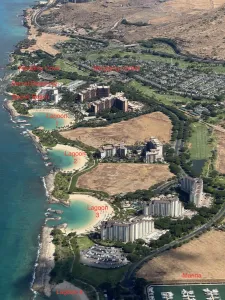
Secret Beach is in the Ko Olina resort community on the leeward (West) side of Oahu. The beach is tucked between Paradise Cove and The Four Seasons Resort. The easiest way to access the beach is from the walking path that runs in front of Disney’s Aulani and The Four Seasons Resorts.
Parking:
Parking is very limited. There are 6 public lots for beach access. Go early, as they fill up quickly, and there are always cars waiting in line. For Secret Beach, the ideal place to park is in lots 1A and 1B, and walk the rest of the way on the path. When the path dead ends, walk over the rock and follow the people.
Ko Olina’s shopping center has public parking for retail and restaurant customers. Parking is available daily from 5 am – 11 pm and is currently around $2.50 per hour, with a three hour maximum but they do have dynamic pricing so it could be more or less. Also, THEY DO GIVE TICKETS THERE IF YOU DO NOT PAY!
Things to bring:
- Good shoes to walk over wet rocks
- your camera
- water
- You can bring sand toys, but if the monk seals are on the beach, there isn’t anywhere else to play.
What’s nearby:
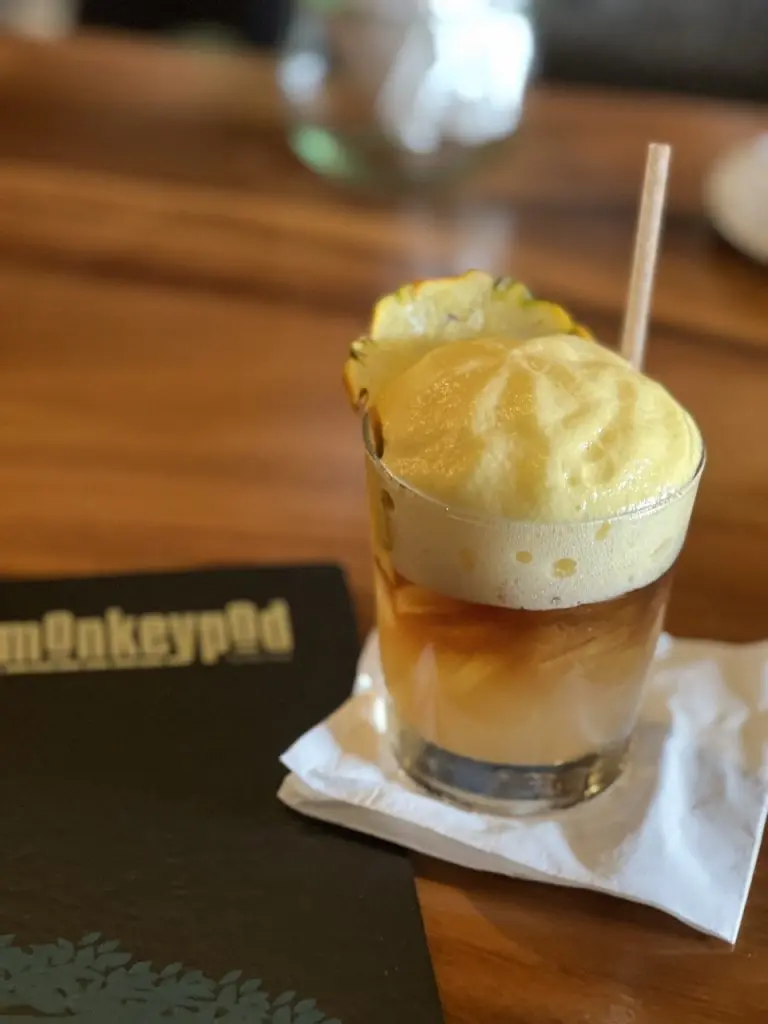
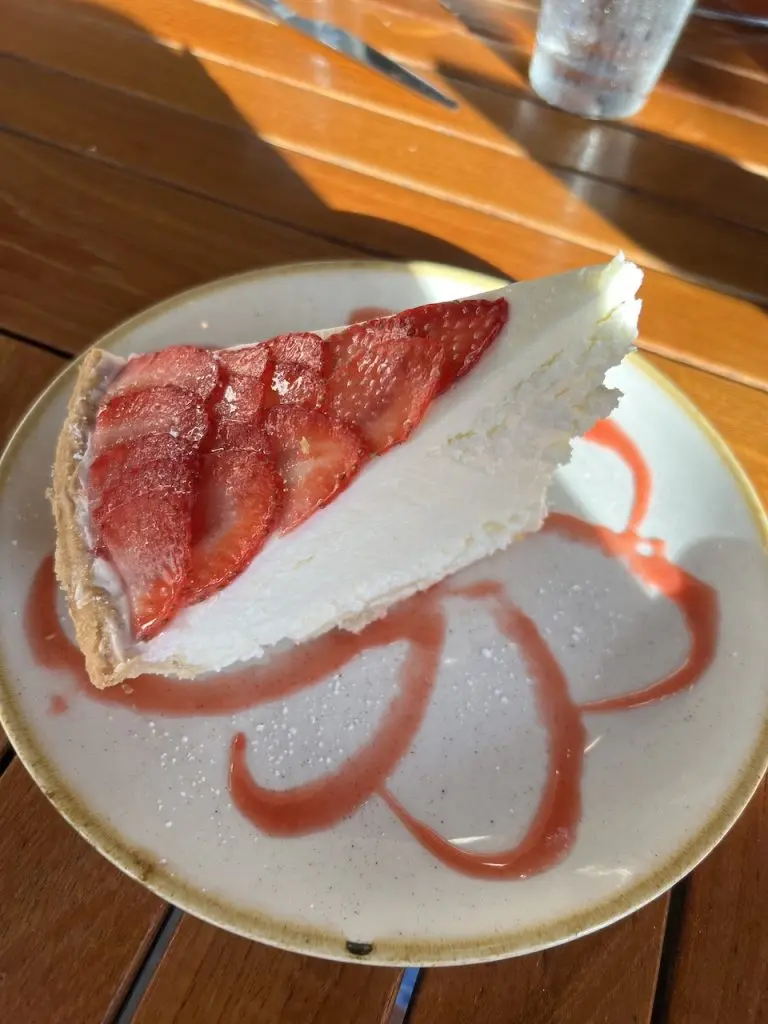
The community of Ko Olina is not hopping with activity. There are a few key places where everyone goes. Monkeypod Restaurant is famous for their Mai Tai with foam topper and huge slices of pie.
The newest place we found is 808 Craft House. They specialize in Farm to Table and Grain to Glass, with great, open air seating. They even have a golf cart that will drive you between the restaurant and your “home away from home,” a.k.a. your hotel room
Cost:
Free!
Bathrooms:
None, but you can walk along the path to one of the lagoons and use the public restrooms which have outdoor showers and drinking fountains.
Random details:
There are no lifeguards at any of the lagoons/beaches in Ko Olina. Personal shade umbrellas are not allowed.